
Odisha Celebrates Odia Film Day: Honouring a Glorious Legacy, Embracing a Bright New Era
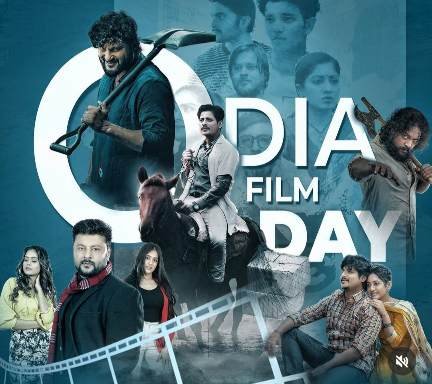
Bhubaneswar: The Odia film industry on Tuesday celebrated Odia Film Day with pride, nostalgia and renewed optimism, marking the rich journey of regional cinema from its historic beginnings to a promising modern revival. Actors, directors, producers and cinephiles across the state took to social media to extend greetings, remembering the pioneers of Odia cinema and expressing hope for an even stronger future.
April 28 holds special significance in Odisha’s cultural history as it commemorates the release of Sita Bibaha, the first-ever Odia talkie, in 1936. The landmark film laid the foundation for what would later become popularly known as Ollywood, an industry deeply rooted in Odisha’s traditions, language and storytelling heritage.
CM Mohan Majhi Hails Odia Cinema Legacy
On the occasion of Odia Cinema Day, Odisha Chief Minister Mohan Charan Majhi paid glowing tribute to the rich legacy of the state’s film industry, describing the day as a landmark moment in Odisha’s cultural history.
In a special message, the Chief Minister said the occasion marks “a golden moment in the history of Odisha’s cultural pride and glorious identity.” He recalled that on this day in 1936, the release of Sita Bibaha — the first Odia talkie — began a remarkable cinematic journey that continues to inspire generations.
He noted that Odia cinema has crossed many hurdles over the decades and has successfully showcased the art, language, heritage, and traditions of the Odia people with a unique identity before the world.
“Odia cinema is not merely a medium of entertainment; it is a mirror of our society and a strong voice for cultural awakening,” Majhi said.
The Chief Minister also paid respects to generations of actors, actresses, directors, producers, technicians, and countless behind-the-scenes workers whose dedication helped shape the industry into a proud cultural institution.
Reaffirming his government’s commitment to the sector, Majhi said Odisha will continue efforts to take the Odia film industry to new heights through modern technology, creativity, and wider global recognition.
He extended heartfelt greetings and best wishes to the people of Odisha, cinema lovers, and the entire artistic fraternity on the historic occasion of Odia Cinema Day.
From Humble Beginnings to Cinematic Identity
Directed by Mohan Sundar Deb Goswami, Sita Bibaha was reportedly made on a modest budget of ₹30,000, yet its cultural impact was immeasurable. Since then, Odia cinema has evolved through several defining eras.
The formative years between the 1930s and 1950s drew heavily from mythology, folklore and the vibrant tradition of Jatra theatre. These films helped create an emotional bond with local audiences and established Odia cinema’s distinct identity.
The golden era from the 1960s to the 1980s saw the rise of iconic stars and filmmakers such as Prasanta Nanda and Uttam Mohanty, whose films combined entertainment with strong social themes and memorable music. This period remains one of the most celebrated chapters in Odia cinema history.
A New Content Renaissance
Today, the industry is witnessing what many describe as a content renaissance. A younger generation of filmmakers is gradually moving away from remake-driven formulas and embracing original, culturally rooted stories with contemporary cinematic techniques.
From village life and forgotten traditions to psychological thrillers and family dramas, modern Odia cinema is expanding its creative boundaries while staying connected to its roots.
Recent Films Winning Praise
Several recent releases have highlighted the changing face of Ollywood:
Pushkara emerged as one of the most acclaimed films of recent years, earning national recognition and appreciation for its portrayal of Odia rituals and literary depth.
Bara Badhu has drawn attention for its modern family drama and emotional resonance.
Chakranta showcased the industry’s growing confidence in crime-thriller storytelling.
Meanwhile, the upcoming Mantra Muugdha has generated excitement for its ambitious fantasy-adventure theme, signalling a new era of experimentation.
Celebration Across Odisha
Across social media platforms, industry personalities shared posters, memories and heartfelt messages, calling upon audiences to support local cinema. Many described Odia Film Day not just as a celebration of the past, but as a reminder of the responsibility to preserve language, culture and artistic identity through cinema.
Looking Ahead
From the 12-reel wonder of Sita Bibaha to digitally crafted modern productions, the story of Odia cinema is one of resilience, reinvention and pride. As Odisha celebrates this landmark day, the message from the industry is clear — the golden past is cherished, but the brightest chapter of Odia cinema may still lie ahead.
Happy Odia Film Day to all lovers of cinema.